
Trigger Point Needling Services in Charleston, SC
Trigger point needling—also known as dry needling—is an advanced manual therapy technique that targets myofascial trigger points: hypersensitive, contracted knots within muscle tissue that cause local pain, referred pain, and restricted movement.
At Charleston Injury & Physical Therapy, trigger point needling is performed by trained clinicians as an integrated component of your physical therapy treatment plan. It is one of the most effective tools available for rapidly resolving stubborn muscular pain and restoring normal movement patterns.
What Is a Trigger Point?
A trigger point is a taut, hyperirritable band within a muscle that becomes contracted and unable to fully relax. Trigger points develop in response to overuse, injury, poor posture, and sustained muscle tension. They cause:
- Local pain at the site of the trigger point
- Referred pain patterns in predictable locations away from the trigger point
- Restricted range of motion in the affected muscle
- Muscle weakness without primary nerve injury
- Autonomic symptoms, including local sweating or skin changes
How Does Trigger Point Needling Work?
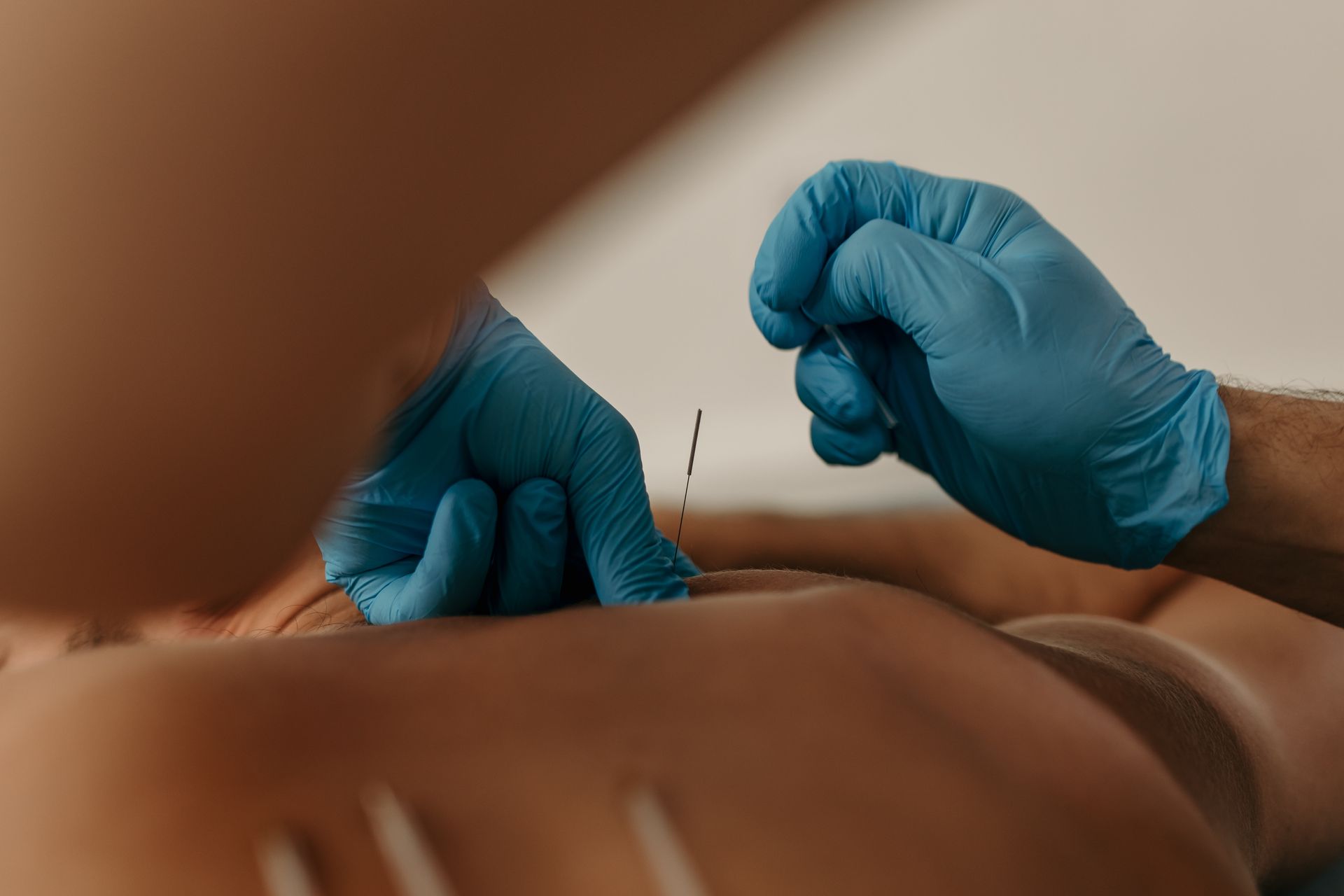
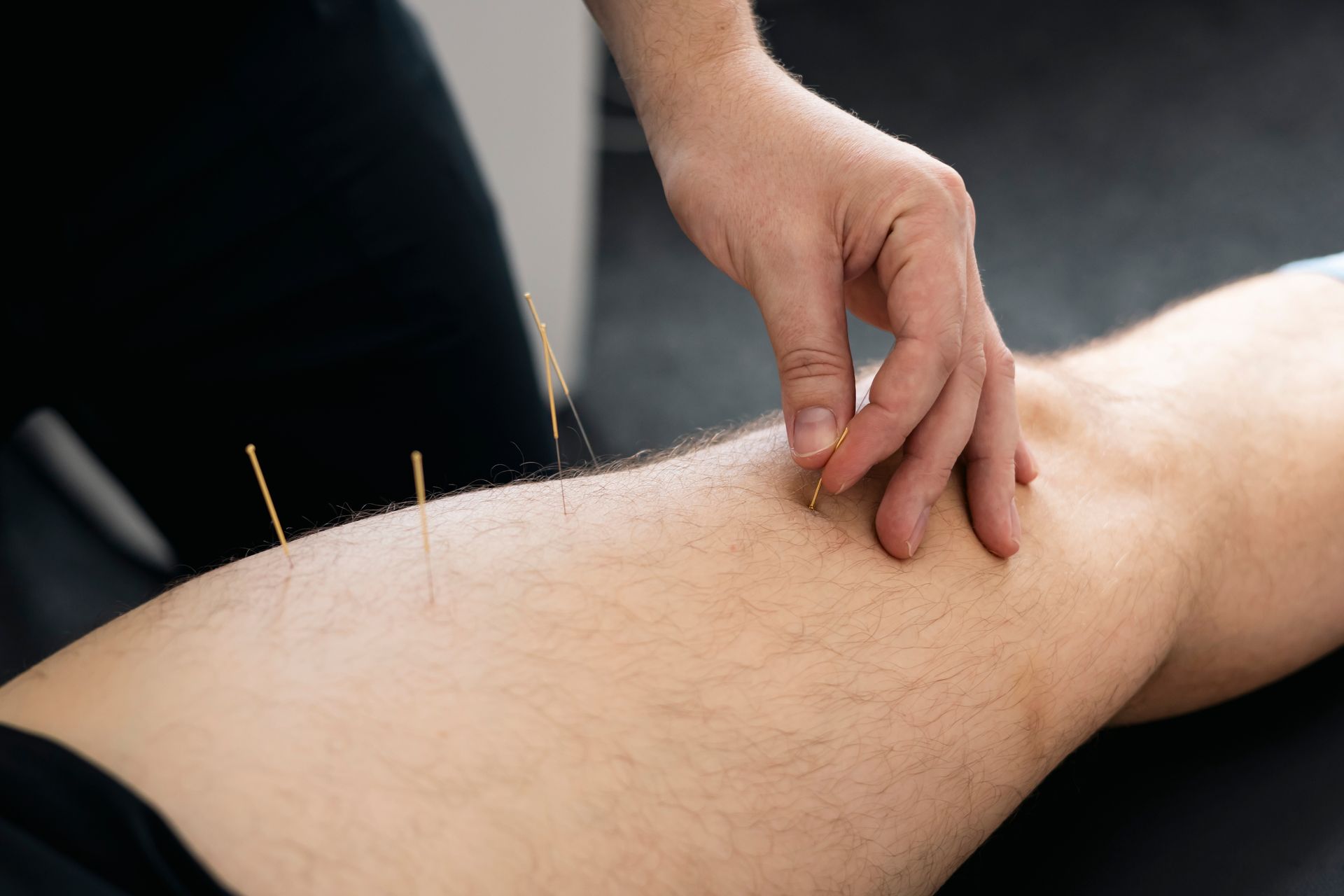
A thin, sterile monofilament needle—the same type used in acupuncture—is inserted directly into the trigger point. This precise mechanical stimulus produces a local twitch response: a brief, involuntary muscle contraction that signals the release of the contracted tissue. This response:
- Resets the neuromuscular system in the affected muscle
- Increases local circulation to oxygen-deprived tissue
- Reduces the chemical irritants concentrated in the trigger point
- Restores the muscle's ability to lengthen and relax fully
Most patients notice a significant reduction in pain and improvement in mobility within one to three sessions.
Conditions Trigger Point
Needling Treats
- Neck pain and cervicogenic headaches
- Upper trapezius and shoulder tension
- Lower back pain and lumbar muscle dysfunction
- Hip flexor and gluteal pain
- IT band syndrome and knee pain
- Plantar fasciitis
- Tennis and golfer's elbow
- Rotator cuff dysfunction and shoulder impingement
- Sciatica and piriformis syndrome
- Post-injury and post-surgical muscle tightness
Is Trigger Point Needling the Same as Acupuncture?
Trigger point needling and acupuncture both use thin needles, but they are different practices based on different principles. Acupuncture is rooted in traditional Chinese medicine and targets meridian points. Trigger point needling is grounded in Western anatomy and neurophysiology and specifically targets dysfunctional muscle tissue identified through clinical evaluation. At Charleston Injury & PT, needling is always guided by your physical examination findings—not predetermined meridian points.

Frequently Asked Questions
Does trigger point needling hurt?
The needle insertion itself is typically not painful—the needle is very thin, and patients often don't feel it entering the skin. The local twitch response that occurs when the trigger point is contacted may produce a brief, intense muscle cramping sensation. This is normal, expected, and actually desirable—it signals that the trigger point has been accurately targeted. Some patients experience mild muscle soreness in the treated area for 24 to 48 hours following the session, similar to post-exercise soreness. This typically resolves quickly and is followed by noticeable relief.
How many trigger point needling sessions will I need?
This depends on the nature and chronicity of your condition, the number of trigger points being addressed, and how your body responds to treatment. Many patients experience meaningful improvement within one to three sessions. Acute or recently developed trigger points tend to resolve faster than long-standing, chronic ones. Your clinician will assess your response after each session and adjust the treatment plan accordingly. Trigger point needling is most effective when combined with therapeutic exercise and other manual therapy techniques, which is why we always integrate it into a comprehensive treatment plan.
Who is not a good candidate for trigger point needling?
Trigger point needling is contraindicated in patients who have a needle phobia, are pregnant (in certain areas), have a local infection or open wound at the treatment site, are on blood thinning medications (in some cases), or have certain immune system conditions. During your evaluation, your clinician will review your health history and determine whether trigger point needling is appropriate for you. If it's not, there are effective alternative manual therapy techniques we can use to address myofascial dysfunction.
Struggling with persistent muscle pain or tension that hasn't responded to other treatment? Trigger point needling may be the answer. Contact Charleston Injury & PT to learn more.