Cupping Therapy in Charleston, SC
Cupping therapy is a time-tested soft tissue technique with a growing body of clinical evidence supporting its use in physical rehabilitation. By creating negative pressure against the skin and underlying tissue, cupping promotes local circulation, releases myofascial restrictions, reduces muscle tension, and supports the body's natural healing processes.
At Charleston Injury & Physical Therapy, cupping is integrated into our broader physical therapy and injury rehabilitation approach—not offered as a standalone wellness service. Our clinicians apply cupping with clinical precision, targeting specific tissue dysfunction identified in your evaluation.
How Does Cupping Therapy Work?
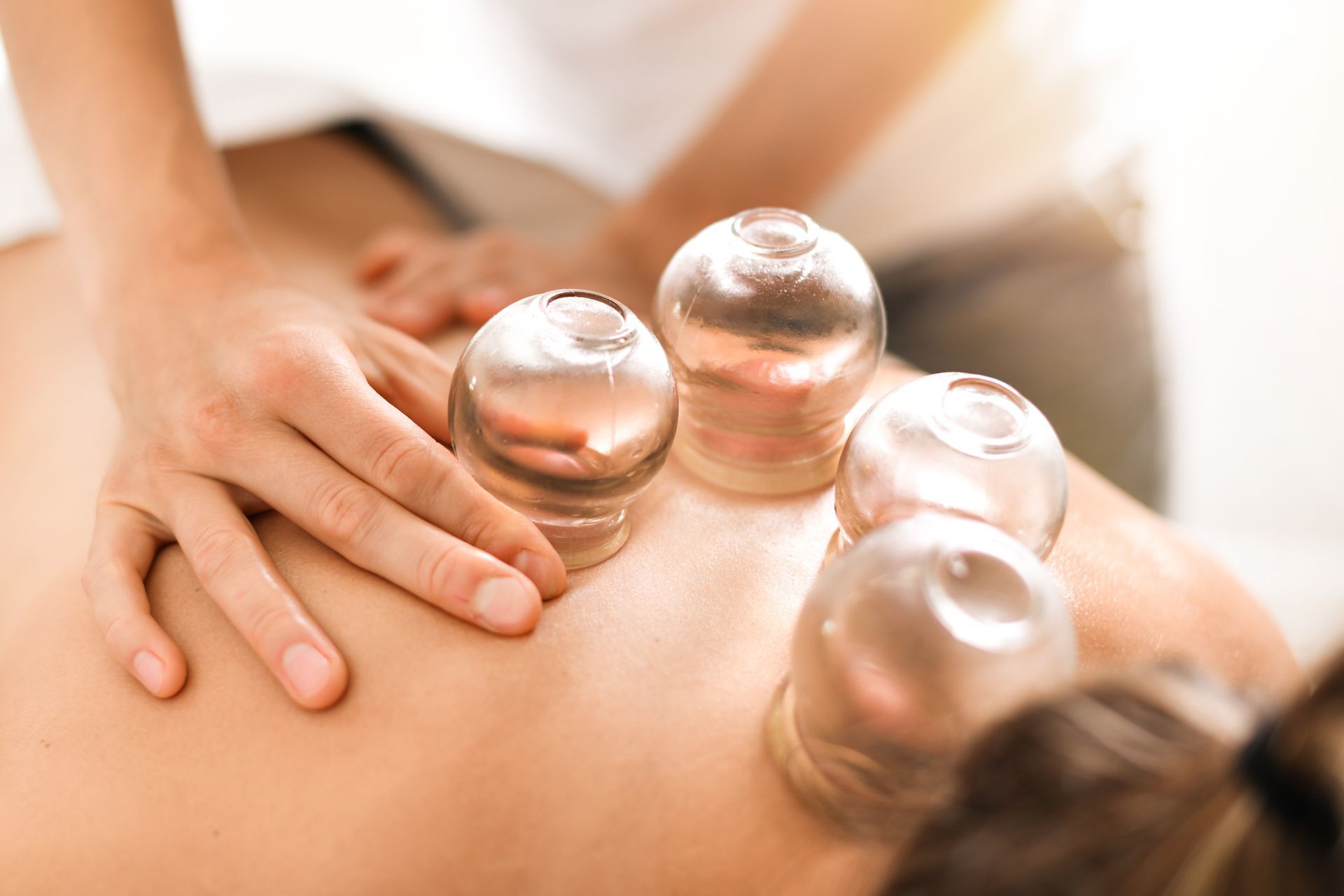
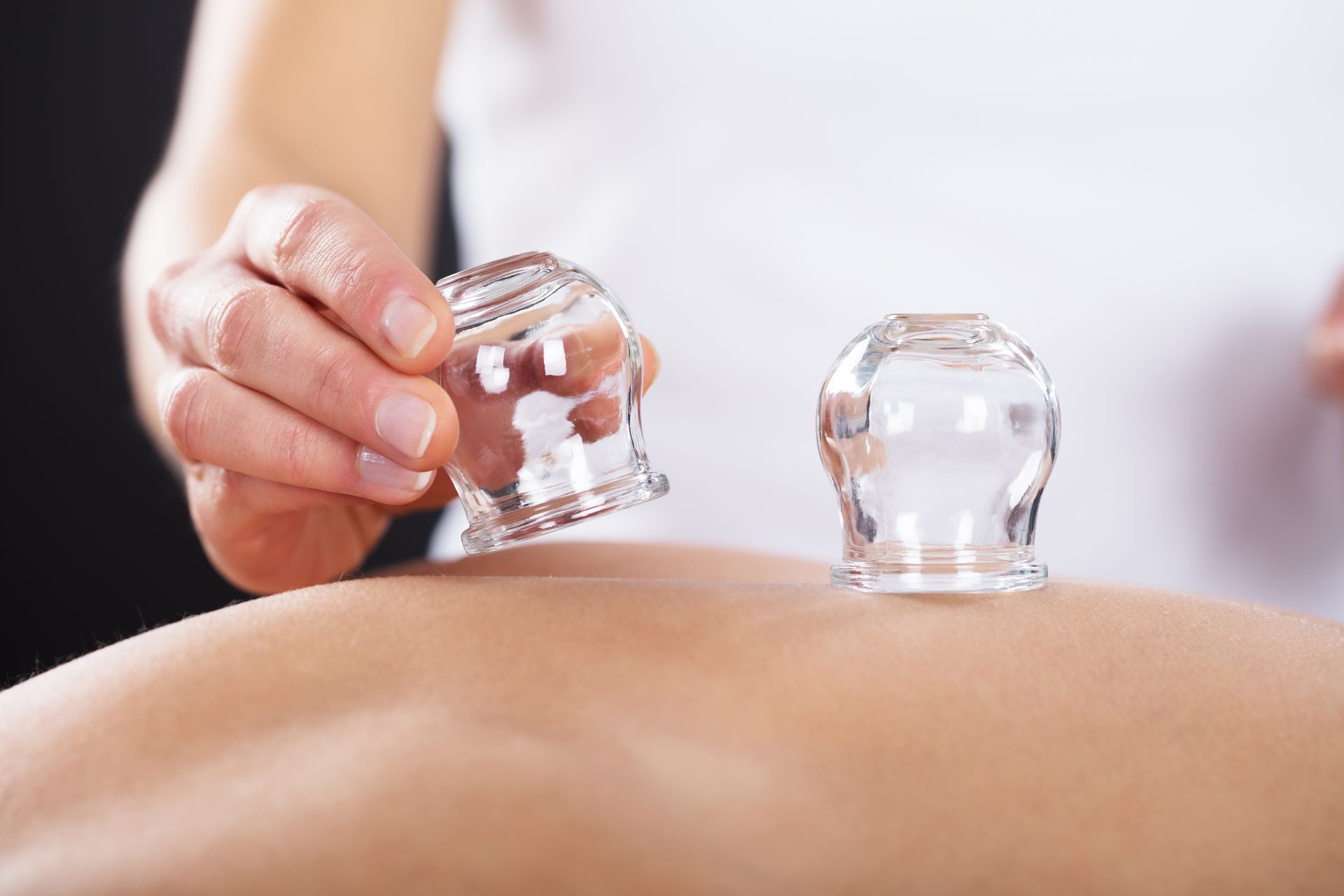
During a cupping session, specialized cups are placed on the skin, and a vacuum is created—either through heat or a suction mechanism—that draws the skin and superficial tissue upward into the cup. This negative pressure effect:
- Increases local blood flow and circulation to restricted or poorly perfused tissue
- Lifts and separates layers of fascia, reducing myofascial restrictions
- Stimulates the nervous system to reduce pain signaling
- Promotes removal of metabolic waste from muscle tissue
- Decreases muscle guarding and hypertonicity
Types of Cupping We Provide
Static Cupping
Cups are placed on specific anatomical targets and left in place for a defined period. This technique is effective for releasing localized areas of tension and restricted fascia.
Dynamic / Sliding Cupping
Cups are moved across the skin while maintaining suction, combining the effects of cupping with a myofascial release massage. This technique is particularly effective for larger muscle groups and broad areas of restriction.
Conditions Cupping
Therapy Can Help
- Myofascial pain and trigger points
- Neck pain and cervical muscle tension
- Upper and lower back pain
- Shoulder impingement and rotator cuff dysfunction
- IT band syndrome and hip tightness
- Thoracic stiffness
- Post-injury or post-surgical scar tissue
- Athletic recovery and performance optimization
What to Expect After Cupping
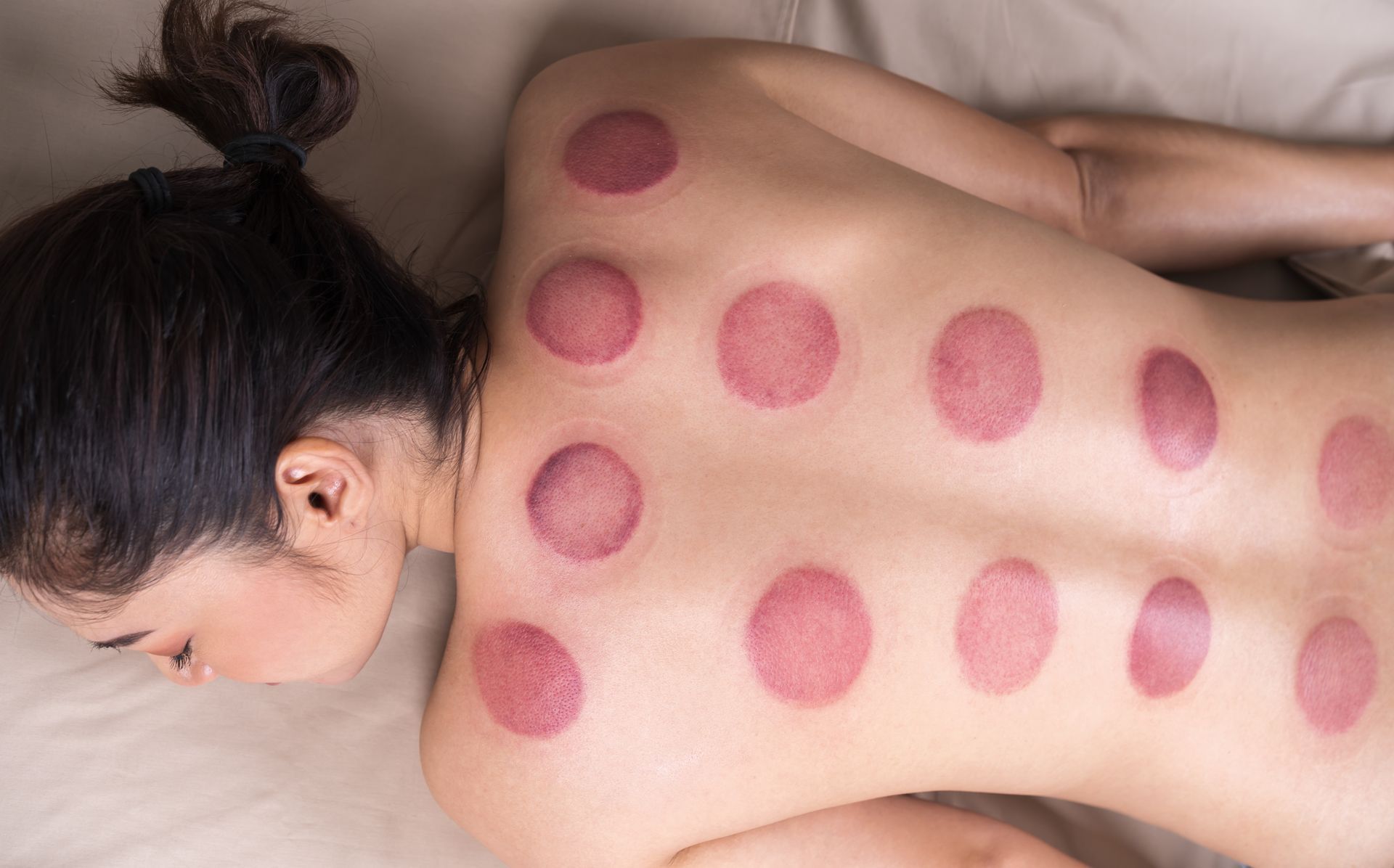
Cupping often leaves temporary circular marks on the skin—these are not bruises but rather the result of increased circulation and the release of metabolic waste in the treated tissue. The marks typically fade within a few days and are a normal response to the treatment. Most patients experience a sense of release and reduced tension immediately following a cupping session, with continued improvement over the following day or two.
Frequently Asked Questions
Is cupping therapy painful?
Most patients find cupping to be surprisingly comfortable and even relieving. You may feel a pulling or stretching sensation as the cups are applied, and some tenderness in the treated area for a day or two afterward—similar to the muscle soreness after a deep tissue massage. The intensity of the treatment is always adjusted to your tolerance and the clinical goals of the session. If you have concerns, discuss them with your clinician before the session begins.
Will cupping leave marks on my skin?
Yes, cupping frequently leaves circular marks—sometimes called "cupping marks"—on the treated area. These are not bruises. They result from the increased circulation and tissue response caused by the suction. The marks typically range in color from light pink to a deeper reddish-purple depending on the degree of tissue restriction in the treated area, and they generally fade completely within three to seven days. This is a normal and expected outcome of the treatment, not a sign of tissue damage.
How is cupping integrated into my physical therapy treatment plan?
At Charleston Injury & PT, cupping is never applied in isolation. It is one component of a comprehensive treatment plan developed based on your evaluation findings and clinical goals. Your clinician will determine whether cupping is appropriate for your condition, which areas to treat, and how to sequence it within your overall session to maximize its benefit. Cupping works best when combined with other manual therapy techniques and therapeutic exercise—and that's exactly how we use it.
Interested in whether cupping therapy is right for your condition? Contact Charleston Injury & Physical Therapy to schedule an evaluation.